
Materials guide
Is Natural Latex Plastic-Free?
Yes. In our glossary, natural latex is a Tier 2 material (nature-inspired): not entirely natural, but inspired by nature and made with innovative science. You're still left with a plastic-free, minimally processed, non-toxic alternative.
About natural latex
A biodegradable, elastic material sourced from the sap of the rubber tree (Hevea brasiliensis). It is processed through methods that maintain its natural composition without synthetic additives or harsh chemicals.
Uses: Favored in products requiring flexibility and resilience, such as mattresses, furniture, pillows, and various apparel components like elastic waistbands.
Good to know: "100% Natural Latex" assures a product made solely from harvested rubber tree sap without synthetic materials. The vulcanization process uses generally safe chemicals like sulfur and zinc oxide and doesn't synthetically alter the latex but stabilizes its inherent qualities.
Latex Processing
Different attributes can be enhanced depending on the manufacturing process.
Dunlop Latex Process: This method, used for about a century, involves pouring natural rubber sap into a mold, adding minimal ingredients like zinc, sulfur, and soaps to form a gel-like substance. It's then baked, washed to remove impurities, and baked again for drying. The result is a dense, durable foam. Dunlop latex often meets the Global Organic Latex Standard (GOLS), requiring at least 95% organic content. Its straightforward production process, using minimal additives, aligns well with these standards.
Talalay Latex Process: Developed in the 1940s for a less dense foam, the Talalay process starts similarly with pouring rubber sap into a mold. The mold is only partially filled, and synthetic materials like styrene-butadiene rubber and other chemicals are sometimes added. The mixture is then vacuum-sealed and flash-frozen with carbon dioxide before baking. This process results in evenly distributed air pockets within the foam. However, most Talalay latex does not meet GOLS standards, and the exact chemical additives are often undisclosed, leading to potential concerns about human health. One exception is Vita Talalay, which achieves OEKO-TEX certification.
For Talalay latex products, especially mattresses, be aware that chemicals may be introduced post-processing. Its lower density can require adhesives to bind smaller pieces together, forming larger sheets. This practice can introduce additional chemicals into the final product.
Overall, while both Dunlop and Talalay processes start with natural rubber latex, their production methods and the additives used vary significantly. Dunlop latex generally offers a more health-conscious choice, meeting higher organic standards. In contrast, Talalay latex, with its potential use of synthetic additives and post-processing chemicals, requires more careful consideration.
Tiers come from the Unwrap materials glossary, a guide to what's natural, nature-inspired, or best avoided.
Brands using natural latex (12)
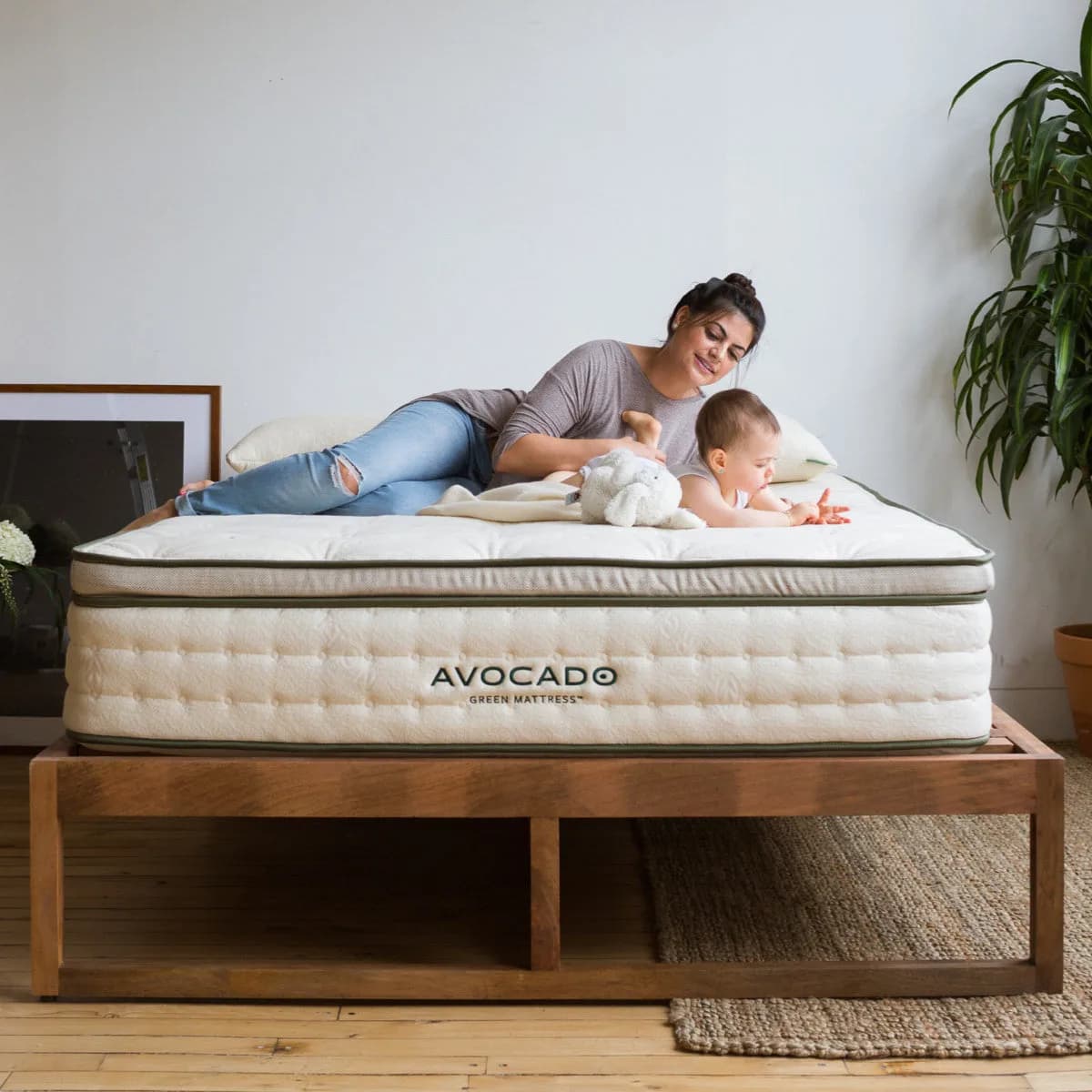
Avocado
Certified organic mattresses and furniture
B CorpGOLS
Aya
Softness perfected, timeless designs
GOTSOEKO-TEX
Biosofa
100% natural furniture
OEKO-TEXCotton
Birch
Better for your sleep, your health & our planet
GOTSOEKO-TEX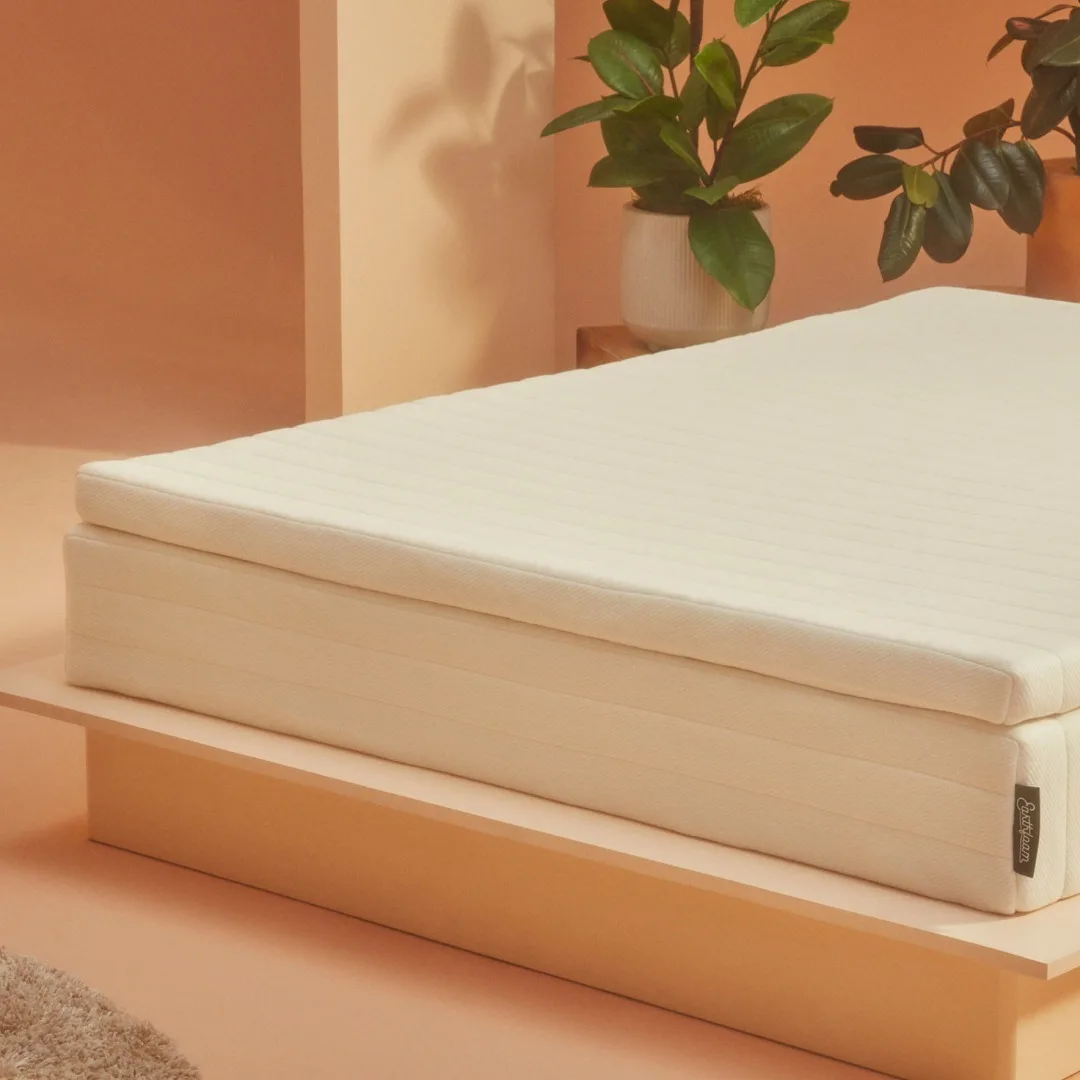
Earthfoam
The sleep dreams are made of
GOLSGOTS
EcoBalanza
Exquisite luxury organic furniture
GOLSGOTS
Industry of All Nations
It's not what we do, but how we do it
CottonNatural Latex
KENT
Plastic-free and plant-based everyday basics
GOTSCotton
SLO Active
Sustainable Luxury Swimwear
Castor Bean PolyamideNatural Latex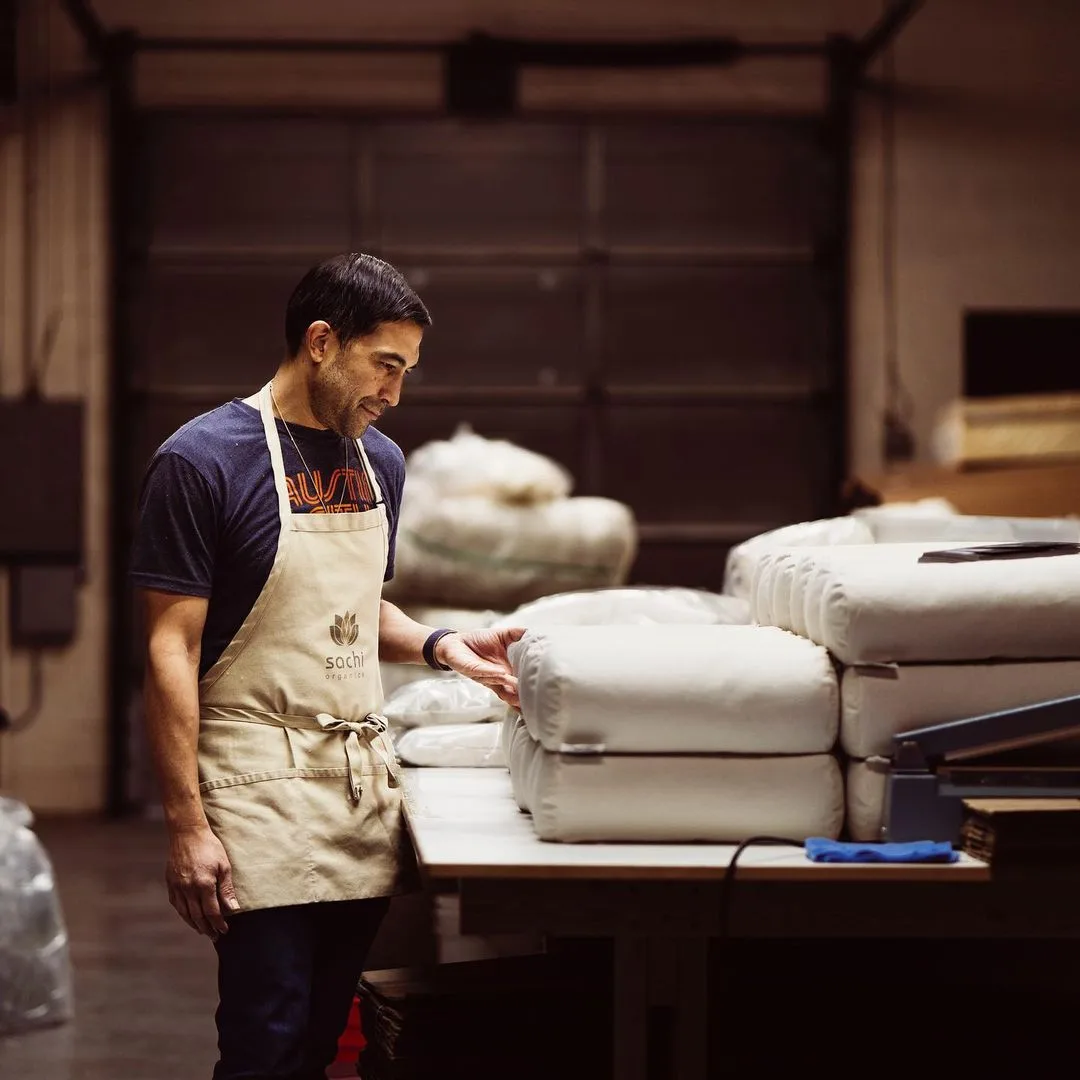
Sachi Organics
Natural pillows and bedding
GOTSBuckwheat
Savvy Rest
Organic Mattresses and Bedding
B CorpGOLS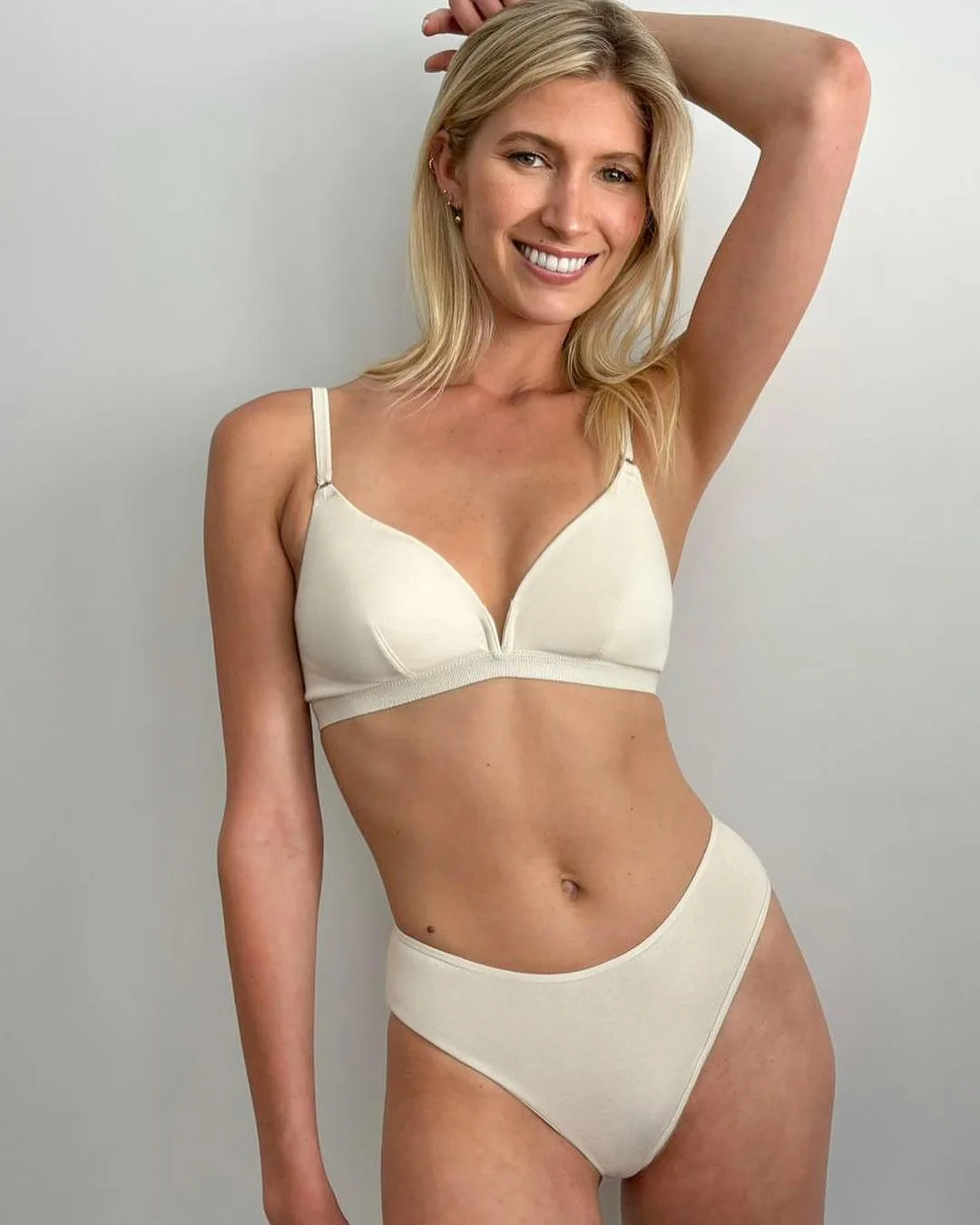
The Very Good Bra
no wire. no toxins. no waste
B CorpGOTS