
Materials guide
Is Lyocell Plastic-Free?
Yes. In our glossary, lyocell is a Tier 2 material (nature-inspired): not entirely natural, but inspired by nature and made with innovative science. You're still left with a plastic-free, minimally processed, non-toxic alternative.
About lyocell
A regenerated cellulose fiber derived from wood pulp, often eucalyptus, beech trees, or bamboo. This material possesses a soft, comfortable feel similar to cotton yet exhibits strength and durability, even when wet.
Uses: Commonly used in clothing (shirts, pants, dresses, underwear), bedding (sheets, towels, blankets), home textiles (curtains, tablecloths, etc.), and various industrial applications.
Good to know: Unlike conventional viscose or rayon, the production of lyocell uses a closed-loop system that recycles most of the solvents, minimizing environmental impact and chemical exposure. Furthermore, compared to other cellulose-based fabrics, lyocell uses significantly fewer and less harmful chemicals during processing. For example, in most cases, the wood pulp is dissolved in a non-toxic organic solvent, N-methylmorpholine N-oxide (NMMO), to create a solution. This solution is then extruded through fine openings to form filaments, which are solidified into fibers.
TENCEL™
A brand name under which Lenzing AG, an Austrian chemical & textiles company, markets its lyocell fibers. TENCEL™ is well-known for its sustainable and eco-friendly qualities. It is derived from sustainably sourced wood pulp, often from eucalyptus trees, and produced using a closed-loop process, where the solvent used in the manufacturing is recycled, minimizing environmental impact.
Tiers come from the Unwrap materials glossary, a guide to what's natural, nature-inspired, or best avoided.
Brands using lyocell (12)
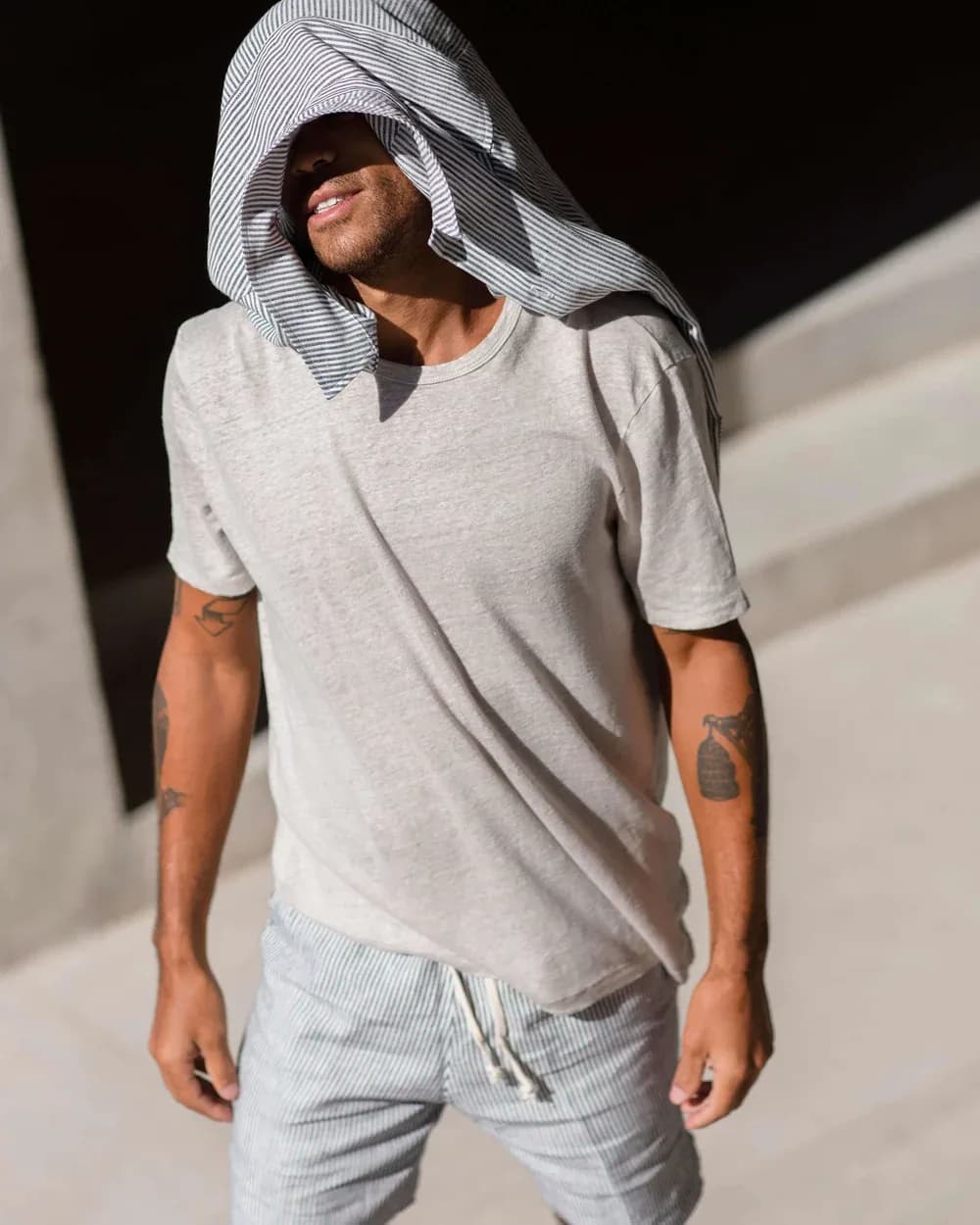
Alex Crane
Alex Crane makes breezy clothing.
B CorpGOLS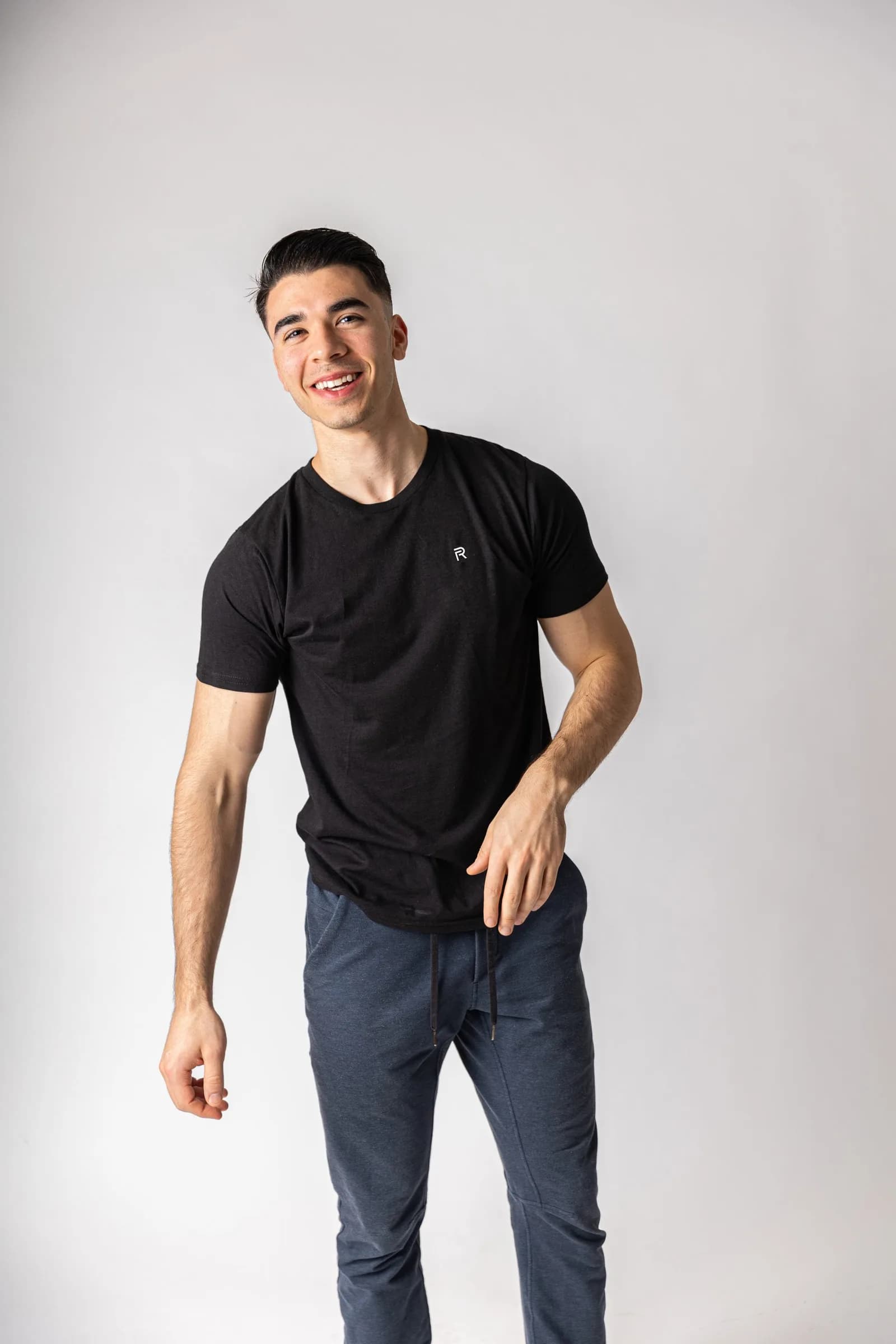
Ryker
Gym clothes, made better.
GOTSOEKO-TEX
ANOTHER ASPECT
Ideas of everyday elements
GOTSCotton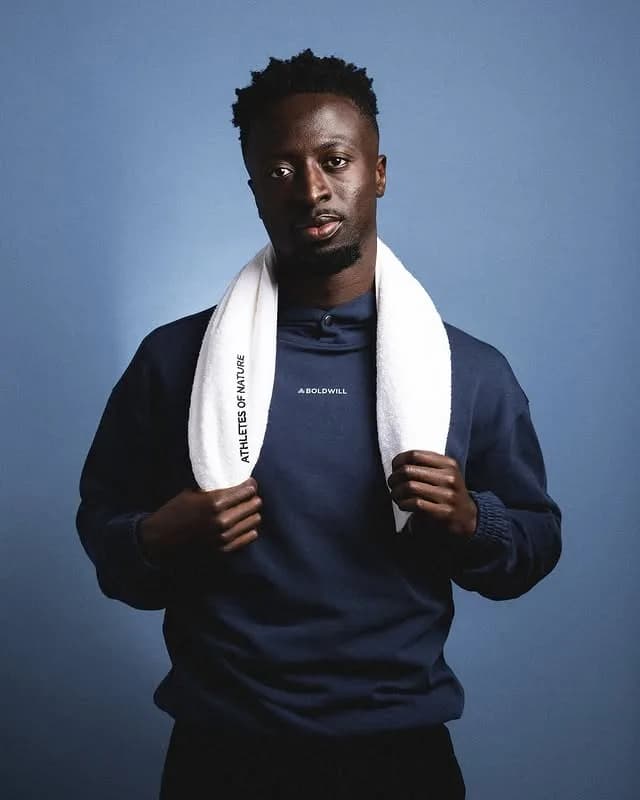
Boldwill
Natural progression towards plastic-free training gear
GOTSOEKO-TEX
Eucalypso
Better bedding inspired by nature
OEKO-TEXLyocell
Icebreaker
Move to natural
CottonLinen
ONNO
Good T-Shirts for the World®
GOTSCotton
Son of a Tailor
Custom-fit clothing for men
B CorpOEKO-TEX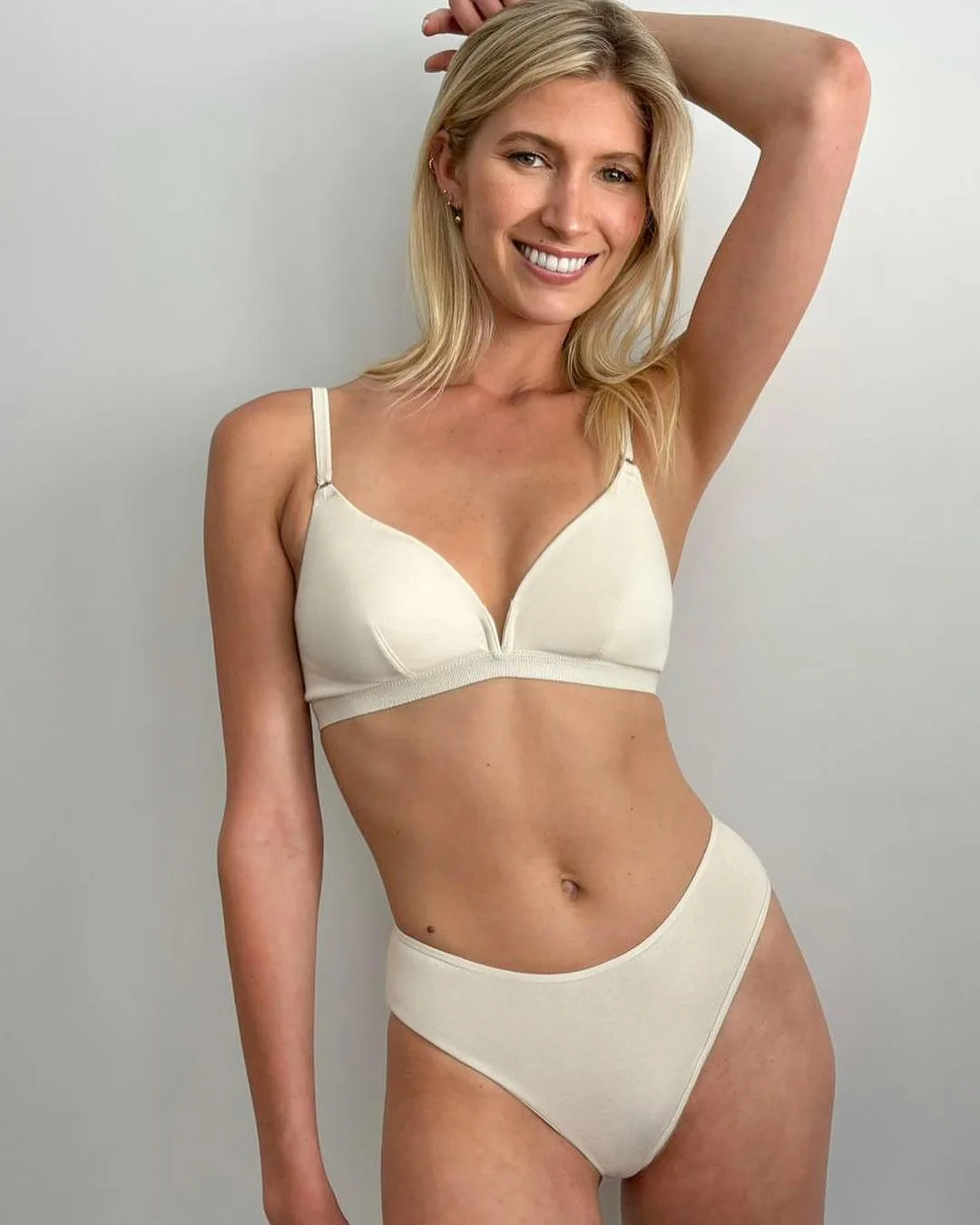
The Very Good Bra
no wire. no toxins. no waste
B CorpGOTS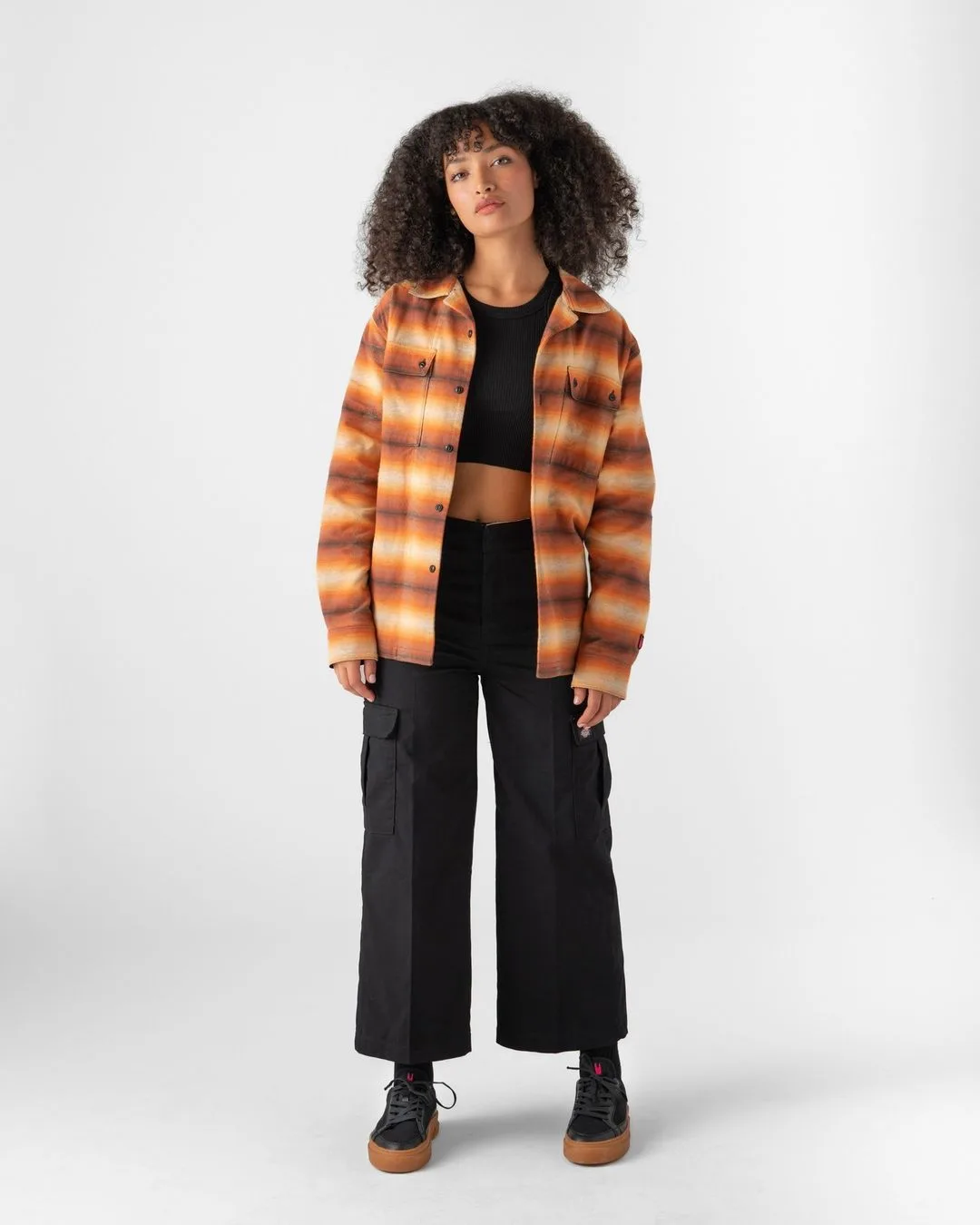
Unless Collective
Wear Plants, Not Plastic
CottonLyocell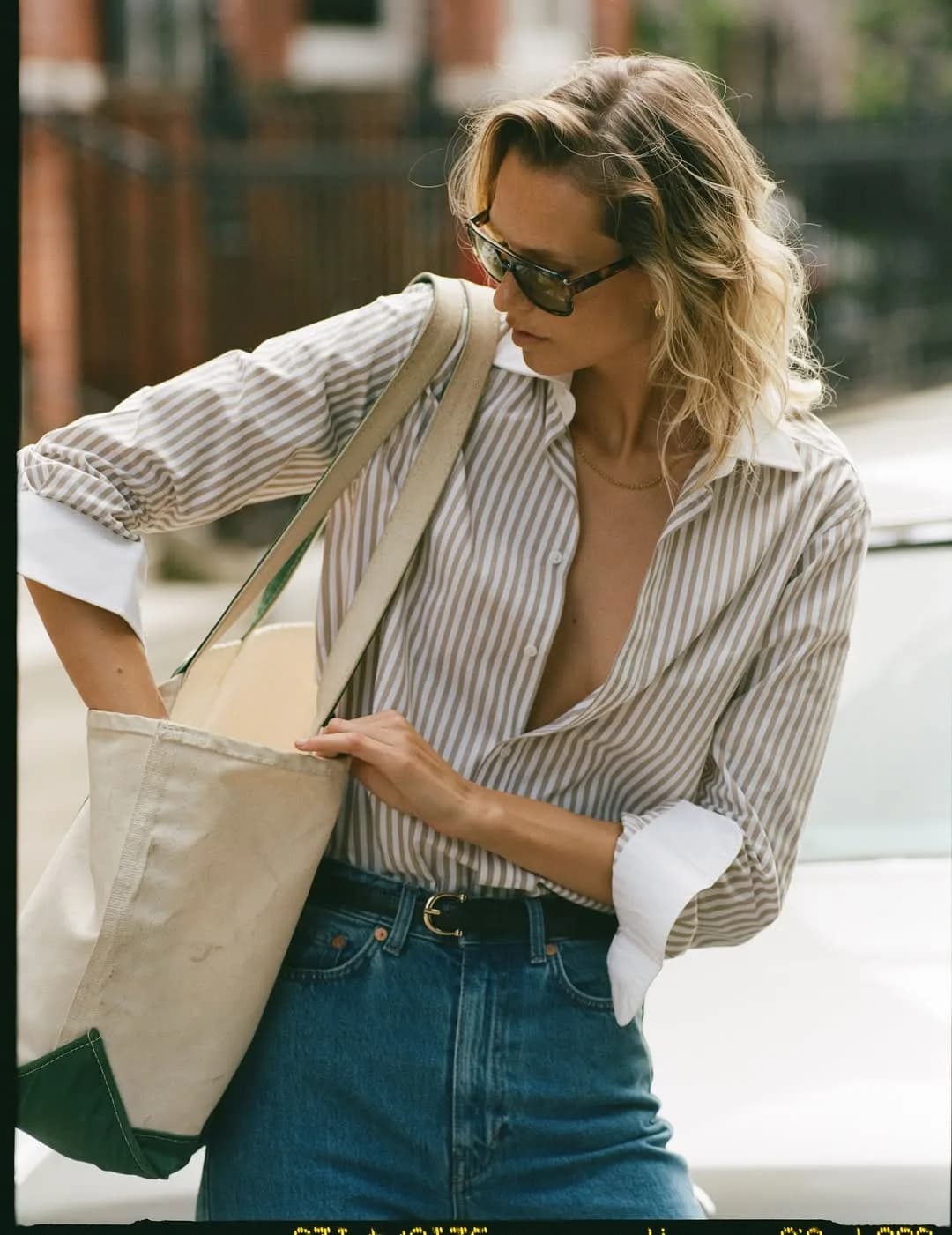
With Nothing Underneath
Womenswear inspired by British heritage and timeless style.
B CorpCotton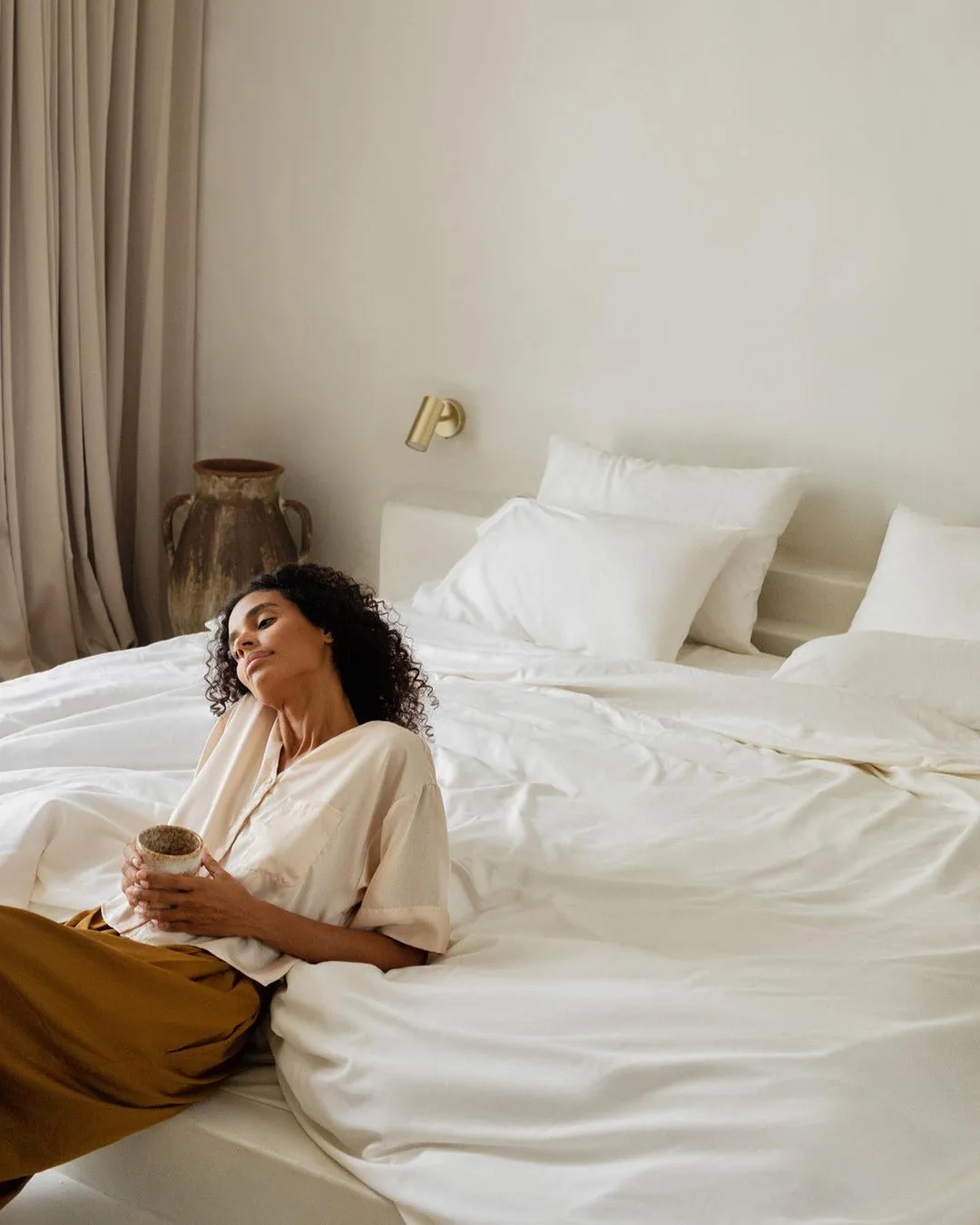
ettitude
Bamboo bedding, bath, and sleep essentials
B CorpOEKO-TEX